About Us

Beth and Amy met at the Parliamentary and Health Service Ombudsman, bonding over our research, policy change and activist backgrounds, we advocate for and implement participatory-led change.
We are experts in bringing communities together with public and private institutions, creating space for deliberation and co-designed solutions. We work with groups and organisations facing difficult issues to embed improvements into systems as new policies, strategy, practice and culture.
From and based in Liverpool and the Midlands, UK, we work locally, nationally and internationally. In Summer 2026, Laura joined Agora to expand our impact services.
You can see examples of our work below and more information on the Work page.
We are independent practitioners in public participation and impact
Meet the team

-
A background spanning research, public engagement, advocacy and strategy, Amy consistently brings underrepresented voices to the fore, whether in academia, the NHS, charities, campaigns groups, central government or trade union roles.
Obsessed with stories and the power they hold to build empathy, she believes that qualitative data and making changes based on lived experience is crucial in tackling social injustice.
Her work in people participation and advocacy, mainly around women’s, LGBTQIA+, migrant and worker rights showed her first-hand what changes can be made when communities come together, while demonstrating the need for a more participatory democracy.
Growing-up in the midlands, Amy experienced intimate partner abuse from late teens to mid twenties and, in discovering activism, began to view these experiences in a broader, intersectional and systemic context. Amy loves writing, cooking, strength training and playing pool.
-
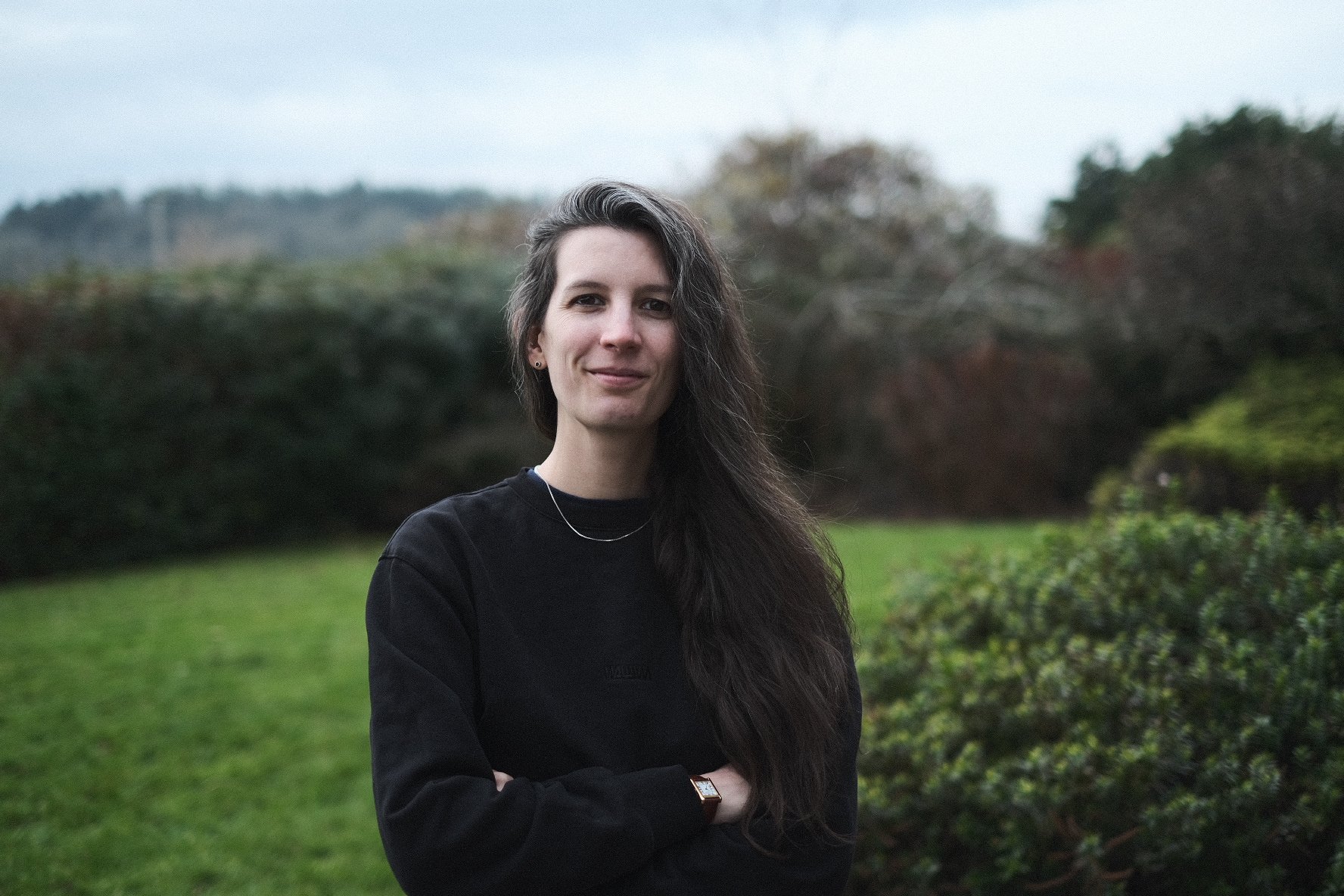
Beth has worked as an elected politician, a Mayoral Advisor, researcher and lecturer, in trade unions and local and international NGOs. In all of these spaces she utilised community development to bring people together to understand and develop solutions to issues, most prominently around homelessness in Manchester.
She created the Greater Manchester Homelessness Action Network for Andy Burnham while he was Mayor and helped to found Arts and Homelessness International, the international network of arts and homelessness organisations.
She completed her MPhil thesis in 2023 on Democratic Devolution; A Whole Society Approach to Tackling Issues of Social Justice in Greater Manchester, building an evidence base for the participation work she was part of under city-region devolution.
Beth grew up in the North West of England and after working across the UK and internationally now lives in Northern Spain with her wife and their cats. As well as English Beth speaks fluent Spanish and lives with the joys and differences of being neuro-queer.
-
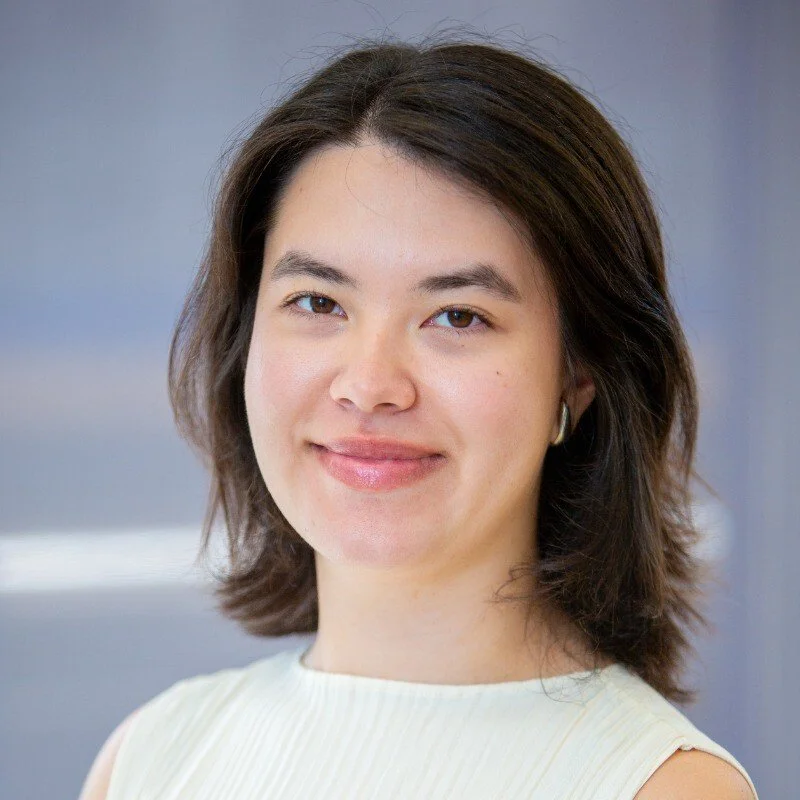
Laura is a research impact professional with extensive experience supporting academics to maximise the societal, economic, policy and cultural benefits of their research. She works across the research lifecycle to develop impact strategies, foster productive partnerships and help translate research into meaningful real-world outcomes.
Laura has particular expertise in research impact development and evidencing, stakeholder engagement and research funding. She has supported researchers from a wide range of disciplines to articulate and evidence impact, develop compelling funding proposals and build sustainable collaborations with policymakers, practitioners, industry and community partners.
She has significant experience supporting institutional and researcher engagement with the UK's Research Excellence Framework (REF) and Hong Kong's Research Assessment Exercise (RAE) across a broad range of institutions, including impact planning, impact case study development, evidence gathering and monitoring and evaluation.
As well as English Laura speaks fluent Portuguese, Spanish and basic Japanese.
Agora is
Agora comes from the forum in Ancient Athens where democracy was practised. The precursor to citizens assemblies, with citizens chosen to participate at random (sortition), the Agora fostered discussion, disagreement and democratic decision making. Traditionally women, slaves and non-citizens were banned from the Agora and unable to take part in democracy. We are reclaiming the concept of the Agora by inviting everyone to participate in contemporary civic spaces. Agora also means ‘now’ in Portuguese and Galician, with current threats to democracy we are working to renovate and rebuild spaces for debate, discussion and common understanding, now.